 VapeWholesaleHub
Nicotine Product Listings That Actually Convert — Tight Margin Categories
Buying nicotine wholesale is a logistics problem disguised as a product problem. The unit is small, the margin depends on freight density, and the failure mode shows up weeks after delivery. The notes below come from real orders we have shipped.
Inspection Before Dispatch
AQL sampling gets a lot of attention, but for nicotine the more useful habit is simply measuring the same three things on every single batch. Trend lines catch problems that pass/fail checks miss.
- Keep sealed retained samples from every production batch.
- Confirm the current customs classification with your own broker.
- Ask how the factory measures puff count, then compare like with like.
- Plan the switch from air to sea freight before you need it.
- Model landed cost, not ex-works price, when comparing quotes.
Selling Nicotine at Store Level
Use your nicotine staff training time on the two questions customers actually ask. Anything more detailed gets forgotten by the second shift.
Modelling a Healthy Margin
Compare nicotine quotes on the same incoterm. A price that looks better because it excludes a cost you assumed was included is not a saving at all.
When you model nicotine pricing, build in a realistic shrink figure. Even a well run line loses a small percentage to damage, expiry and sampling. Pretending that number is zero is how a healthy looking margin turns negative.
Indicative reference points for planning purposes: entry tier from USD 1.30 per unit at 1000 units, mid tier at USD 1.35, and volume tier at USD 0.79 for full container quantities. These figures move with specification, packaging and freight, so treat them as a shape rather than a quote.
What to Fix Before Approving Nicotine
Good nicotine specs describe the failure boundaries, not just the target. Stating what is unacceptable gives the factory a clear production window instead of a single point they will miss half the time.
Two specifications that matter more than buyers expect: the seal integrity after a drop test and the consistency of the draw from first use to last. Both are measurable before you commit to volume.
| Product category | Accessory |
|---|---|
| Resistance band | 0.6 - 0.8 ohm |
| Capacity tolerance | +/- 2% |
| Puff count method | Machine cycle 2s on / 18s off |
| Master carton | 400 units |
| Carton weight | 3.9 kg |
| Shelf life | 18 months |
| Storage | 15-25 C, dry, away from direct light |
Where Nicotine Sits in the Range
Think about where nicotine sits in your customer's week. If it is a weekly restock, breadth matters less than availability. If it is an occasional treat, flavour range and display story carry more weight.
Freight, Customs and Timing
Split nicotine shipments across two sailings when the order is large enough. It costs slightly more but removes the risk of a single event wiping out a full quarter of stock.
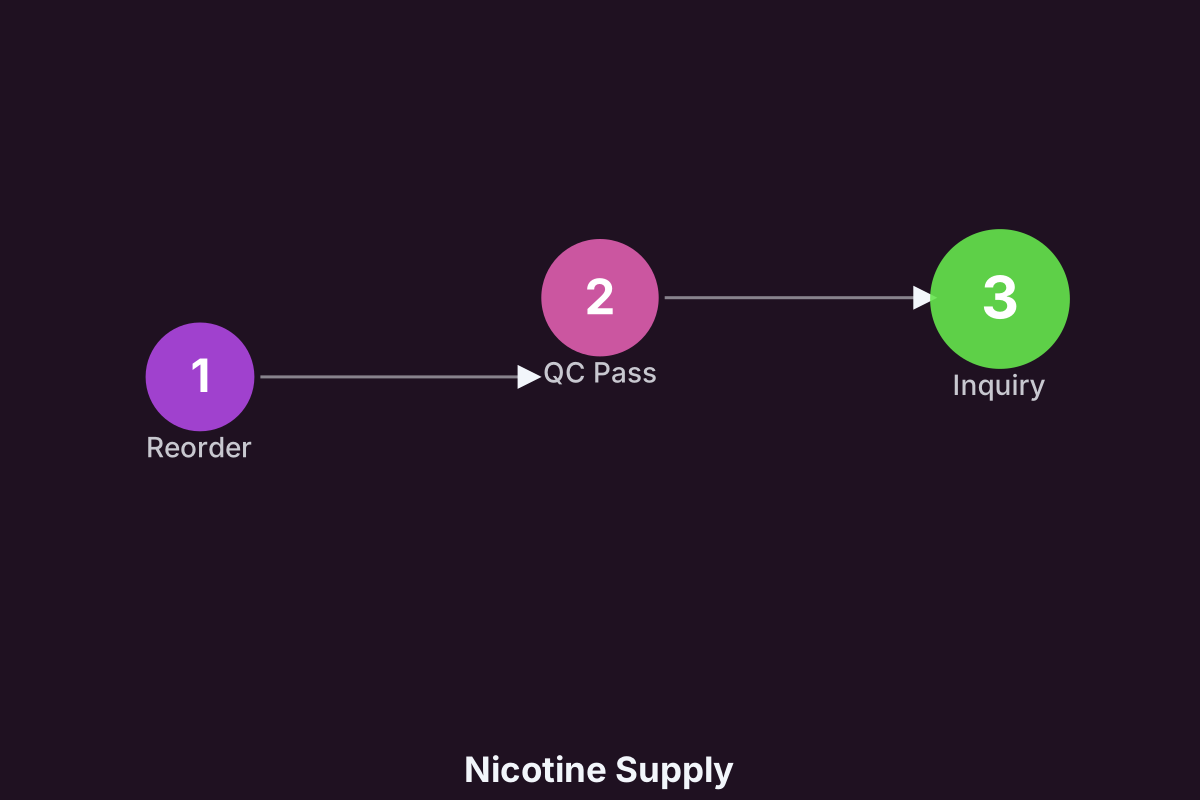
Practical Checklist
- Keep sealed retained samples from every production batch.
- Model landed cost, not ex-works price, when comparing quotes.
- Confirm the current customs classification with your own broker.
- Ask how the factory measures puff count, then compare like with like.
- Plan the switch from air to sea freight before you need it.
- Write the complaint threshold into the order terms.
Frequently Asked Questions
Do you hold stock for regular customers?
For established programmes we can reserve production slots and, in some cases, hold finished nicotine stock against a forecast. It removes most of the lead time risk from a reorder and is worth discussing once volumes are stable.
Do you provide compliance documents?
Every shipment leaves with the documentation set relevant to your market, including batch records and test reports where required. Your local rules still determine what you must file, so confirm those with your broker before import.
How are price changes handled on repeat orders?
{K} pricing is reviewed against input costs and volume rather than adjusted casually. Any change is confirmed in writing before the next order is scheduled, with the reason stated so you can judge it yourself.
What happens if my market changes its rules?
Regulations move, and packaging or documentation sometimes has to follow. We keep approved artwork files on hand so that a required change is a reprint rather than a redesign, which keeps the cost and delay down.
Next Step
Questions that are not answered here are usually the interesting ones. Reach out with the specifics of your market and we will answer with numbers rather than adjectives.
Related Reading
- Nicotine Staff Training Notes for Store Teams — First-Time Importers
- Nicotine Humidity Control in Coastal Warehouses — Container-Scale Orders
- Nicotine Negotiation Timing Through the Production Year — 2026 Buyer Notes
- Nicotine Counterfeit Risk and Serialisation — 2026 Edition
- Nicotine Reorder Discipline for Busy Distributors — Busy Buyers
- Nicotine Contract Clauses Worth Negotiating — Step by Step