 VapeWholesaleHub
Nicotine Escalation Path When Something Goes Wrong — Low Minimum Quantities
Buying nicotine wholesale is a logistics problem disguised as a product problem. The unit is small, the margin depends on freight density, and the failure mode shows up weeks after delivery. The notes below come from real orders we have shipped.
Trends Worth Watching
Expect nicotine packaging requirements to keep tightening. Designs that leave room for additional labelling age better than tight layouts that need a full reprint to comply.
The most durable nicotine lines over the last few years have been unglamorous and consistent. Novelty sells once; reliability sells every month.
Getting Nicotine to Your Warehouse
Customs classification for nicotine varies by market and changes from time to time. We ship with full documentation, but your broker should confirm the current code before your first order rather than after it lands.
Pricing and Margin
The cheapest nicotine quote is rarely the cheapest outcome. Add freight, defect handling, delay risk and the staff time spent chasing, then compare again. The ranking often changes.
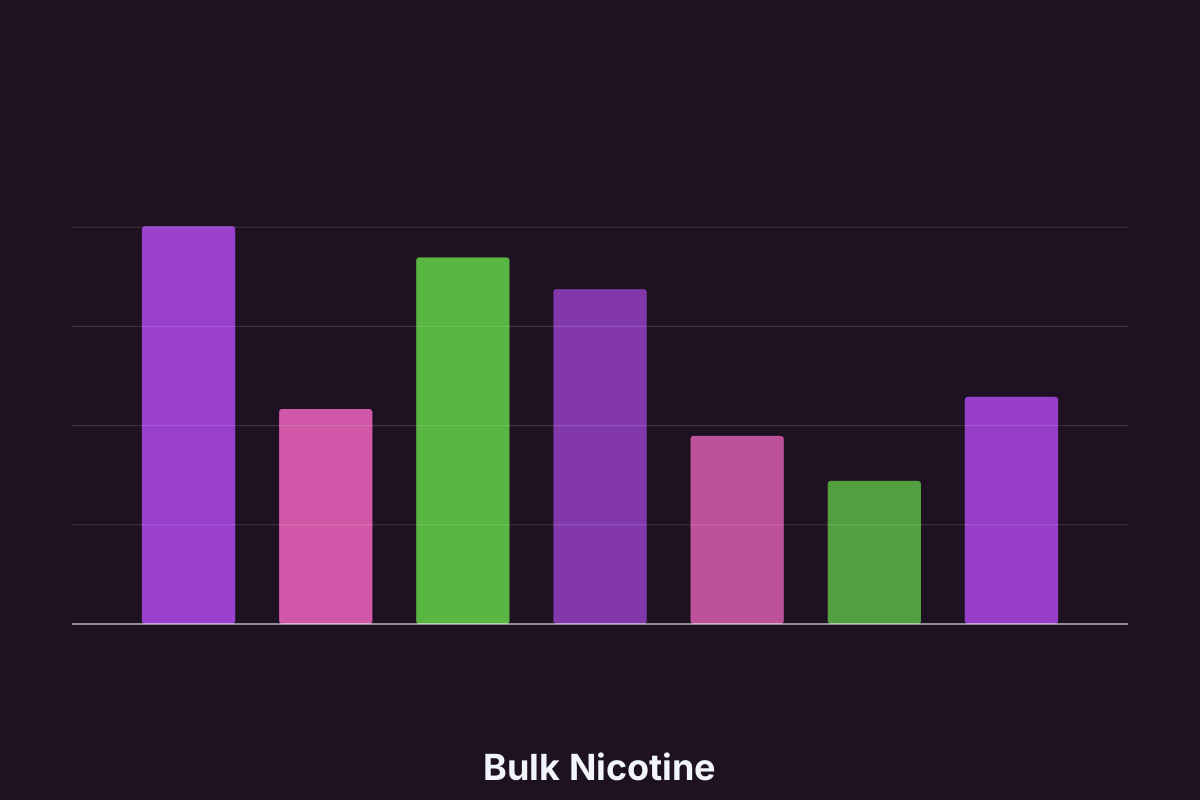
Indicative reference points for planning purposes: entry tier from USD 1.63 per unit at 1000 units, mid tier at USD 1.76, and volume tier at USD 0.94 for full container quantities. These figures move with specification, packaging and freight, so treat them as a shape rather than a quote.
Quality Control in Practice
Set the nicotine complaint threshold in the contract before you need it. Deciding what counts as an acceptable defect rate during a dispute is the worst possible time to negotiate it.
- Keep sealed retained samples from every production batch.
- Check carton dimensions against your freight quote before confirming.
- Model landed cost, not ex-works price, when comparing quotes.
- Ask how the factory measures puff count, then compare like with like.
- Start with a mixed carton and let your own sell-through decide.
What to Fix Before Approving Nicotine
A written nicotine specification should be short enough to read in a minute and precise enough to argue about. If a factory cannot confirm a number in writing, assume the number is whatever is cheapest that week.
Revisit the nicotine specification after every third order. Small improvements compound, and factories take a buyer more seriously when the document has clearly been used.
| Product category | Pod system |
|---|---|
| Resistance band | 1.0 - 1.2 ohm |
| Capacity tolerance | +/- 3% |
| Puff count method | Machine cycle 2s on / 18s off |
| Master carton | 300 units |
| Carton weight | 8.4 kg |
| Shelf life | 24 months |
| Storage | 15-25 C, dry, away from direct light |
Merchandising and Listing Tips
Use your nicotine staff training time on the two questions customers actually ask. Anything more detailed gets forgotten by the second shift.
Staff knowledge moves nicotine more than any fixture. A two minute explanation of the difference between this line and the one next to it converts a browsing shopper into a repeat buyer far more reliably than a discount.
Practical Checklist
- Keep sealed retained samples from every production batch.
- Plan the switch from air to sea freight before you need it.
- Model landed cost, not ex-works price, when comparing quotes.
- Ask how the factory measures puff count, then compare like with like.
- Confirm the current customs classification with your own broker.
- Start with a mixed carton and let your own sell-through decide.
Frequently Asked Questions
How should nicotine be stored?
Cool, dry and out of direct sunlight. Heat and light are the two things that shorten shelf life fastest. Rotate stock by batch code rather than by arrival date, and keep cartons off concrete floors in humid warehouses.
How are price changes handled on repeat orders?
{K} pricing is reviewed against input costs and volume rather than adjusted casually. Any change is confirmed in writing before the next order is scheduled, with the reason stated so you can judge it yourself.
What if a batch does not match the sample?
Keep the retained samples from the approval stage. If a delivered batch measurably differs, we compare against the retained set and resolve it against the production record. This is why we insist on sealed retained units from every run.
Do you provide compliance documents?
Every shipment leaves with the documentation set relevant to your market, including batch records and test reports where required. Your local rules still determine what you must file, so confirm those with your broker before import.
Can I mix strengths in one order?
In most cases yes, as long as each strength meets the minimum run length. Mixed strength cartons are popular with retailers building their first display because they show the full ladder without over committing.
Next Step
If you take one thing from this page, take the retained sample habit. It costs a few units per batch and it is the difference between a disagreement and a decision.
Related Reading
- Nicotine Sampling Programme: How to Evaluate Before You Commit — 2026 Buyer Notes
- Nicotine Case Study: From First Pallet to Repeat Container — Cross-Border Trade
- Nicotine Display Ideas for Small Counters — the Buying Desk
- Nicotine Customer Education That Reduces Complaints — 2026 Buyer Notes
- Nicotine Print Methods for Cartons and Labels — Regional Distributors
- How Nicotine Performs in Different Climate Conditions — Step by Step